Published on Tuesday, 19 May 2026 at 8:24:24 AM
Do you suffer from heel pain during your first steps in the morning or after sitting for long periods?
If so, this is an important article that could make a huge difference.
Plantar Fasciitis is one of the most common injuries that people suffer from, especially those who are very active and spend a lot of time on their feet.
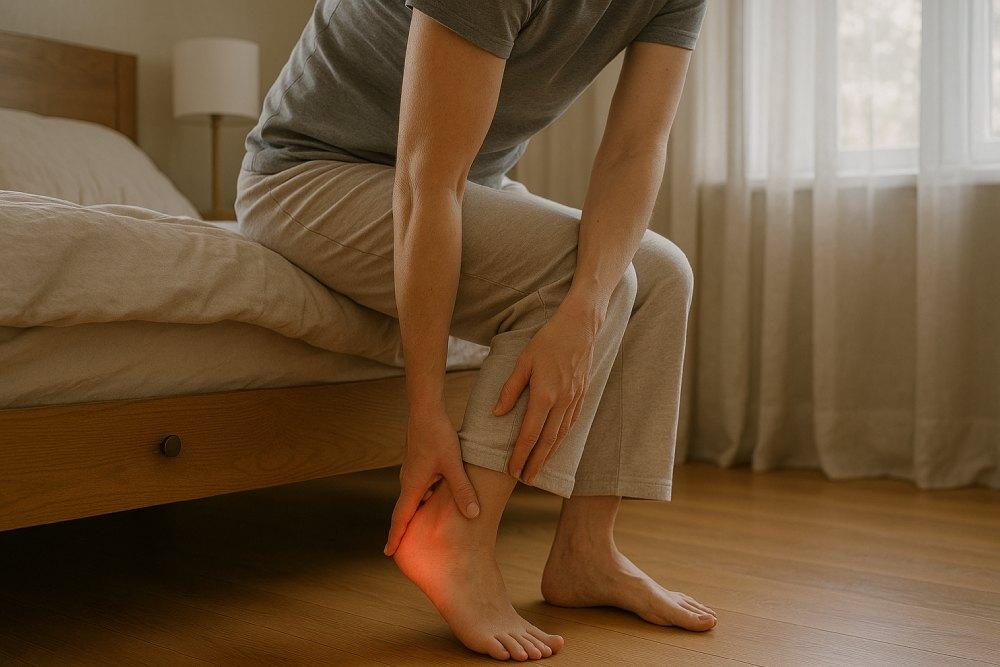
From a clinician's perspective, what’s frustrating is that this type of injury worsens, not because it’s difficult to treat, but because it’s not being treated properly.
If Plantar Fasciitis is not managed correctly, the pain can become worse, more constant and can start to affect your day-to-day activities.

It can stop you from doing the things you enjoy, whether that’s exercise, getting out and about with your family or work.
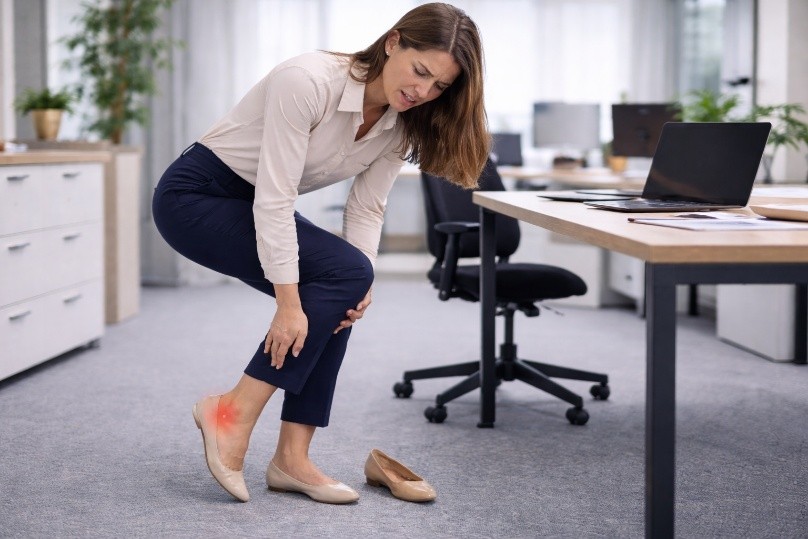
Over time, this can lead to a sedentary lifestyle, mental stress or loss of motivation, each of which can make the injury worse.
If managed early and correctly, it can be the exact opposite! You’ll be able to wake up with no pain, walk comfortably again and you can return to doing all the things you enjoy such as exercising without having the fear of flare ups.

We tire of hearing people say, ‘it will eventually go away if I let it rest’. In most cases, that’s exactly why it keeps coming back!
If you’ve ever wanted to get rid of heel pain and fix the root cause, not just the symptoms. These next 3 mistakes might just relate to you:
Mistake #1 – Do nothing but rest
Rest might help reduce pain in the short term, however it’s not fixing the root cause of the issue. Without addressing strength and loading, the pain will most likely come back.
Here are some strengthening exercises that you can start doing to help the foot and the ankle.
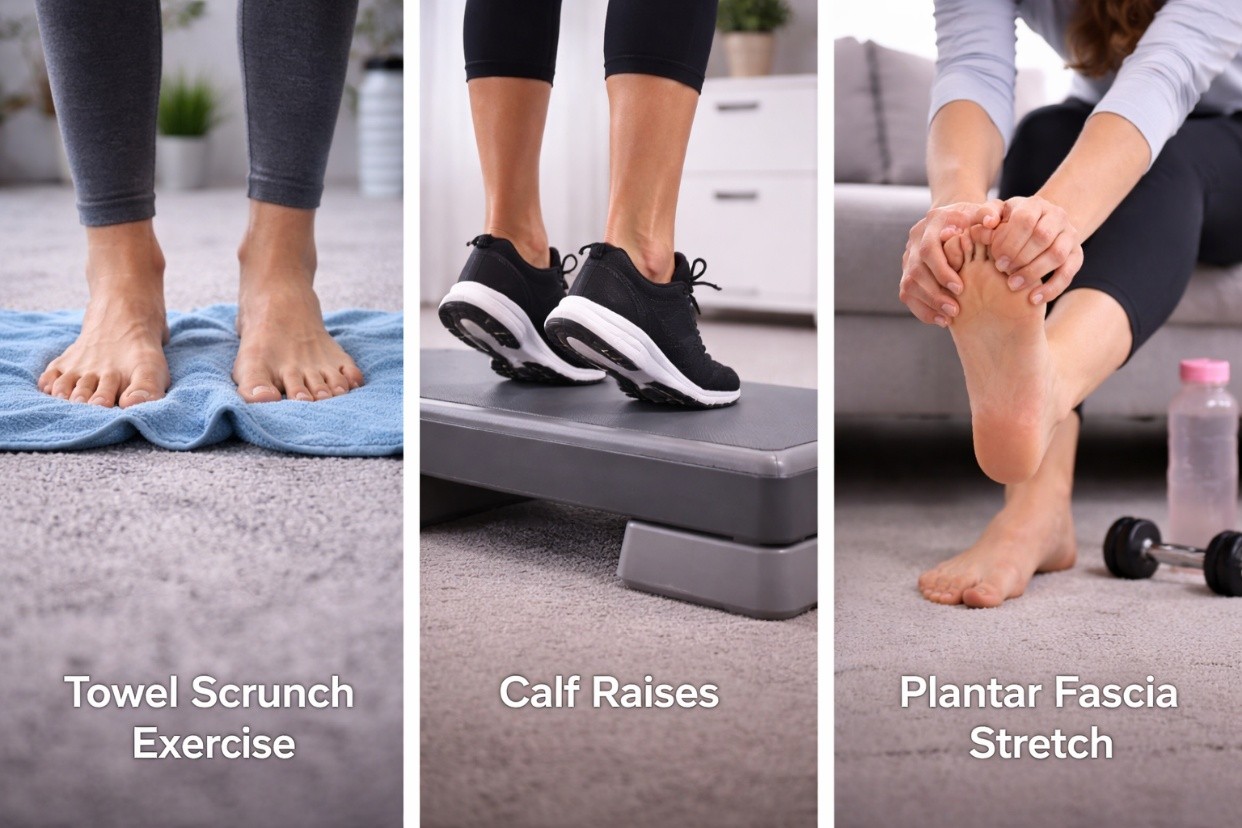
Towel scrunches
https://bit.ly/4f1QzNP
Toe extended calf raises
https://bit.ly/4dKnEeS
Plantar fascia stretch
https://bit.ly/4dGYSvX
Mistake #2 – Ignoring calf and ankle tightness
Tightness in the calf muscles places extra strain on the plantar fascia. If not addressed, the foot will continue to get overloaded with every step.
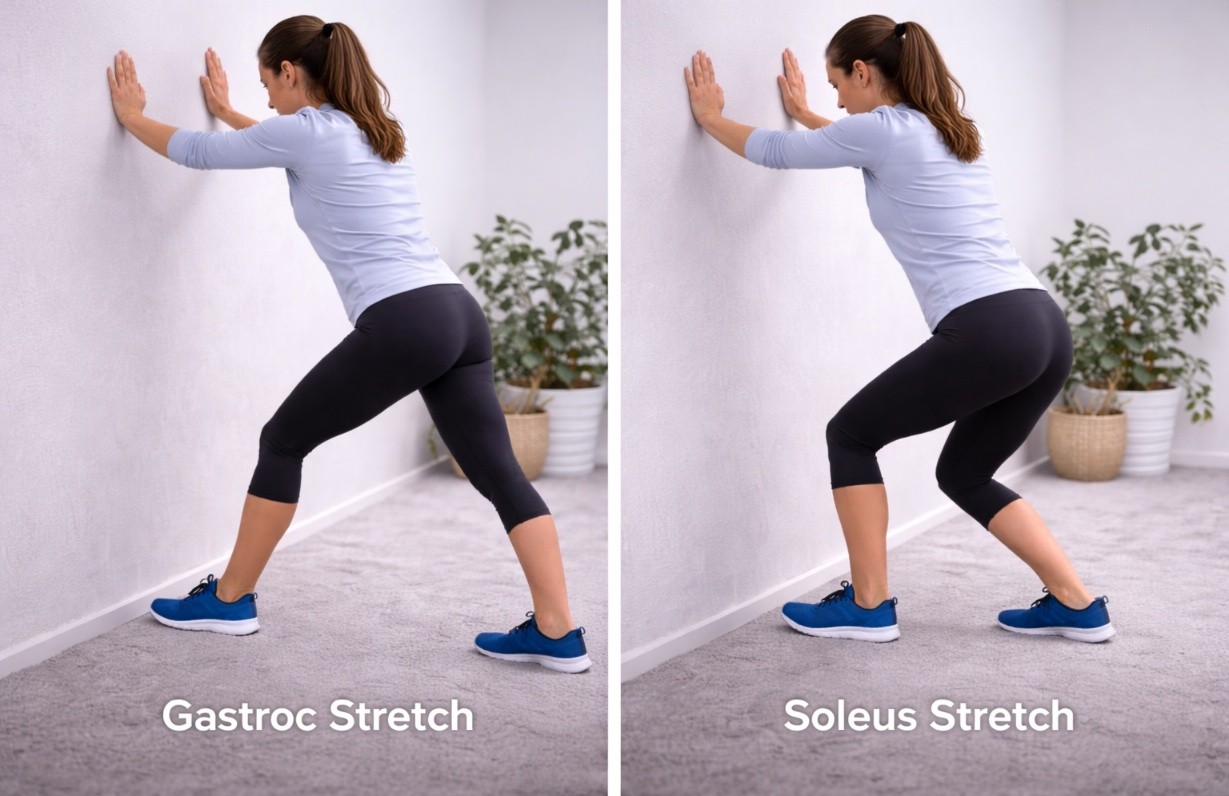
Below is a simple video you can follow to help stretch your calf muscles properly.
https://bit.ly/4dJrC7C
Mistake #3 – Wearing the wrong footwear
Flat, unsupportive or worn-out shoes can significantly increase stress on the heel. Footwear plays a bigger role than most people realise.

Start by choosing footwear that isn’t too narrow and provides good medial arch support and has cushioning on the heel.
If any of this sounds familiar, you’re not alone and the good news is that plantar fasciitis can be well managed, so it is not necessarily part of your life going forward. The key is identifying what’s driving the problem and putting the right plan in place.

Below is a simple routine you can start with
- Morning plantar fascia stretch.
- Calf stretching – making sure your muscles are all warmed up before stretching.
- Slow heel raises and toe strengthening work later in the day.
If your pain continues even after following the exercises above, there are also many in-clinic treatment options which have helped many over the years.
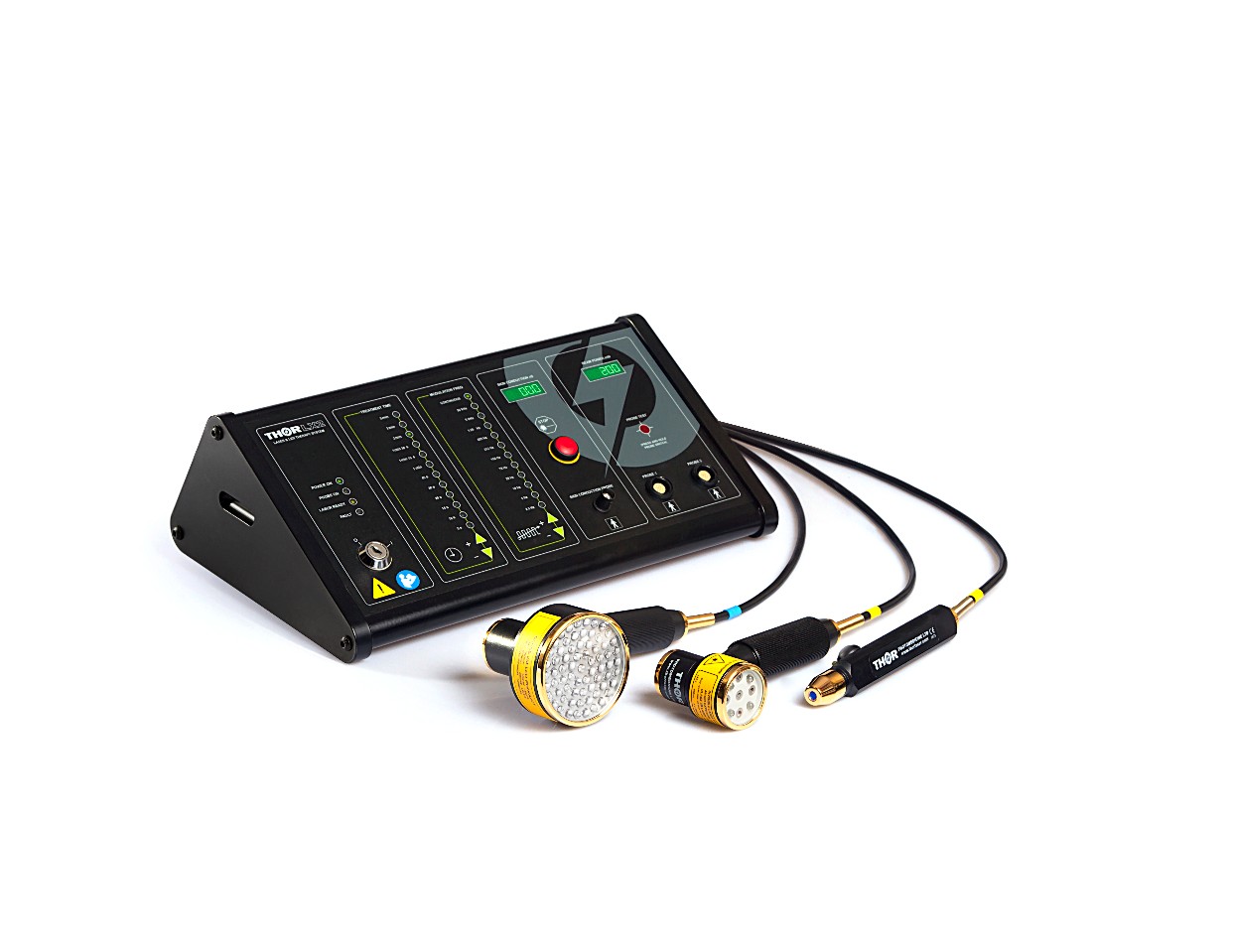
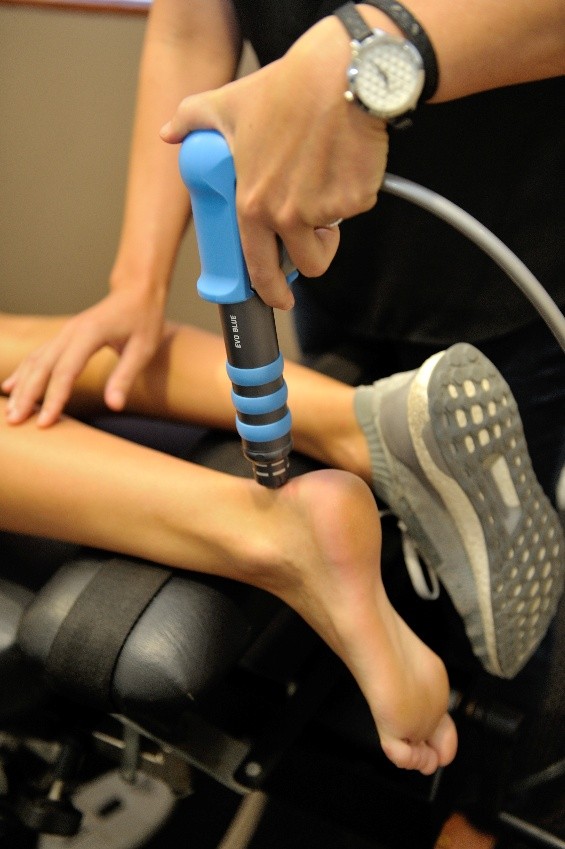
Treatment options available at Geraldton Health Centre include Thor Low Level Laser Therapy (for newer complaints) and Swiss Dolorclast Radial Shockwave Therapy (for longer-term issues.) In addition, modalities such as dry needling, Graston technique, Kinesio taping and balance/coordination re-training, are an important part of a well-rounded approach to maximise outcomes for patients.
So, if you have new, lingering or episodic heel pain, don’t just keep putting up with it! First try the simple routine mentioned above, and if you need more support, book an appointment at Geraldton Health Centre so we can assess what’s driving your plantar fasciitis and talk you through the best treatment options, to get you back on track.

Back to All News